OpenYC
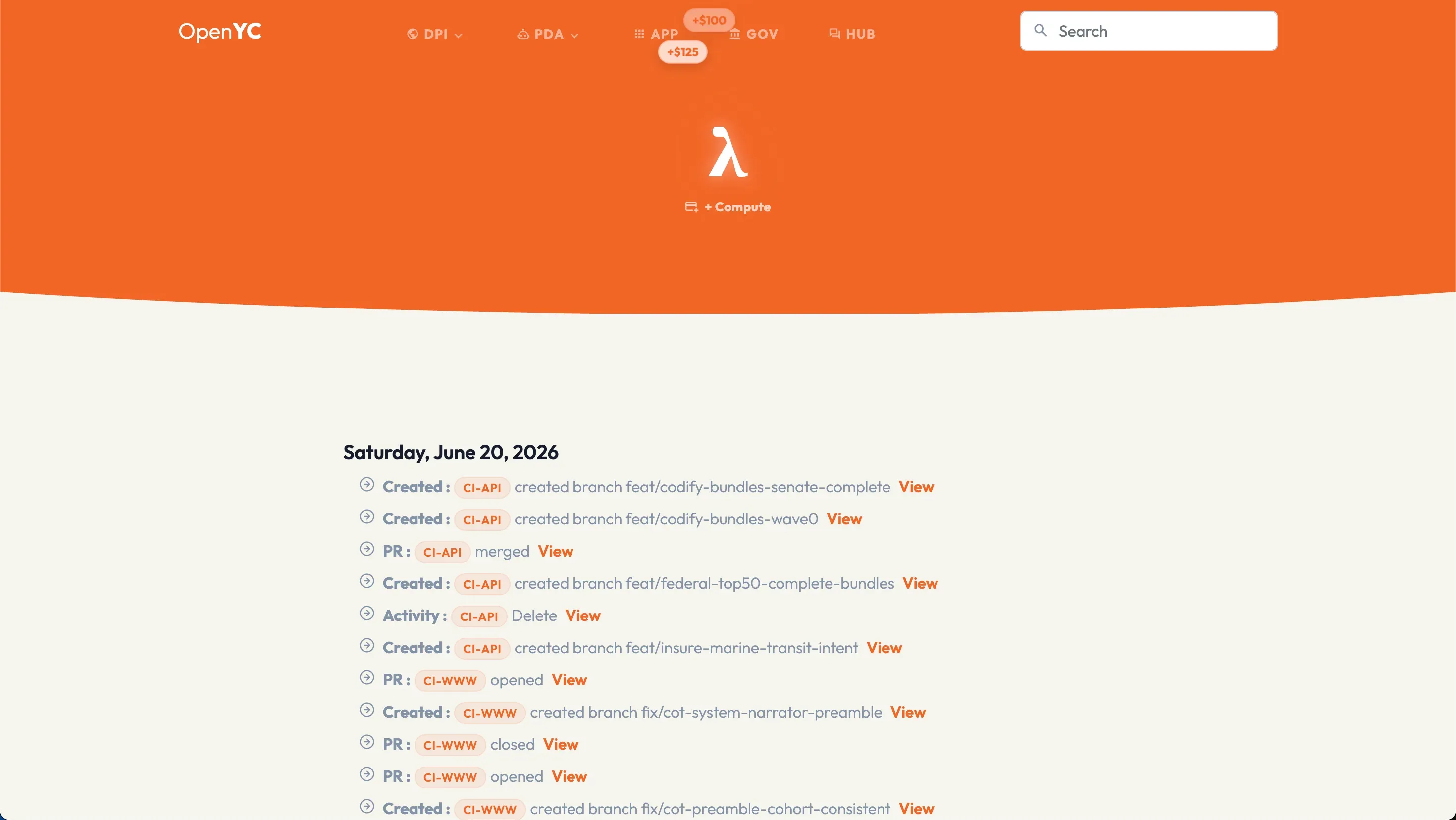
OpenYC helps builders apply AI to domain-specific problems and create their own YC-style accelerator for any vertical or city.
Overview
OpenYC is a platform that enables entrepreneurs and developers to build AI-powered applications tailored to specific industries or local ecosystems. The name draws inspiration from Y Combinator, suggesting a framework for creating vertical-specific accelerators or solutions. The website positions OpenYC as a tool for those who want to "make something agents need" — implying a focus on AI agents that solve real-world problems. The platform appears to target builders who want to apply artificial intelligence in domain-specific ways, rather than building general-purpose AI tools. The market context is the growing trend of vertical AI, where specialized models outperform broad ones in niche applications. OpenYC aims to democratize the creation of such vertical AI solutions, potentially reducing the barrier to entry for entrepreneurs who lack deep AI expertise. The problem it solves is the complexity and cost of developing custom AI applications from scratch, offering a structured approach to building and deploying AI agents for specific use cases.
Key Features
Vertical AI Framework: OpenYC provides a structured framework for building AI applications focused on a single industry or problem domain. This includes pre-built components for data ingestion, model training, and deployment, allowing users to quickly prototype and launch vertical-specific AI agents. The framework abstracts away much of the underlying infrastructure, enabling teams to concentrate on domain logic.
Agent Builder: The platform includes a visual or code-based agent builder that lets users define the behavior, knowledge base, and actions of AI agents. Agents can be configured to interact with external APIs, databases, and user interfaces. This feature is designed for both technical and non-technical users, with templates for common verticals like healthcare, logistics, or customer support.
YC-Style Accelerator Templates: OpenYC offers templates for creating accelerator programs similar to Y Combinator but tailored to a specific city or industry. These templates include application workflows, mentor matching, demo day scheduling, and investor relations tools. This allows local communities or industry groups to launch their own startup accelerator without building the software from scratch.
Domain-Specific Data Pipelines: The platform includes tools for collecting, cleaning, and labeling data relevant to a particular vertical. Users can import data from various sources, apply domain-specific preprocessing, and use it to train or fine-tune AI models. This addresses a common pain point in AI development: acquiring high-quality, relevant data.
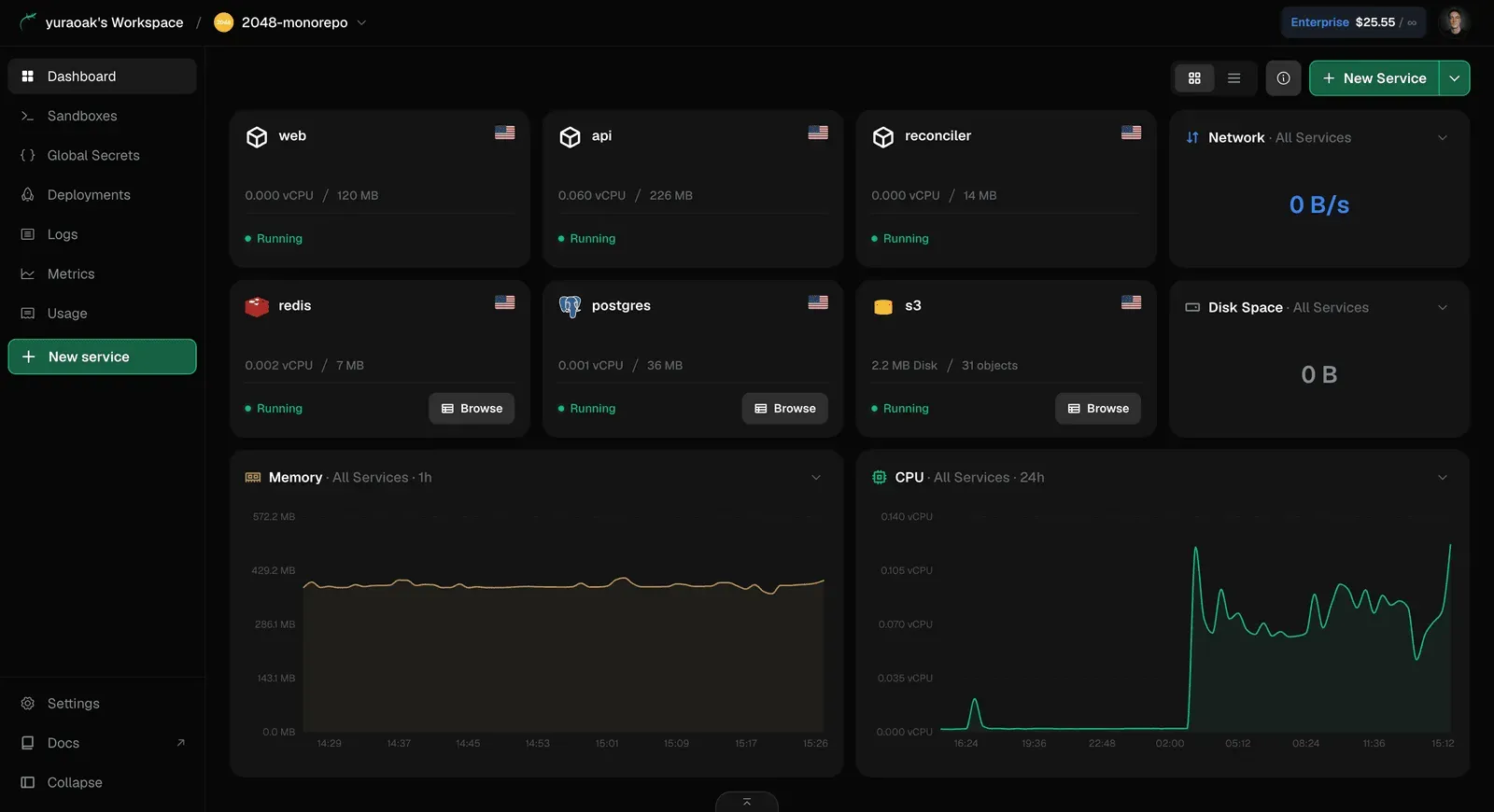
Deployment and Monitoring: OpenYC offers one-click deployment to cloud or on-premises environments, with built-in monitoring for agent performance, usage metrics, and cost tracking. Users can set up alerts for anomalies and receive recommendations for model improvements. This ensures that deployed agents remain reliable and efficient.
Community and Marketplace: The platform includes a community hub where users can share agent templates, data sets, and accelerator blueprints. A marketplace allows for buying and selling pre-built vertical AI solutions, creating an ecosystem around the platform. This fosters collaboration and reduces duplication of effort.
Integration Hub: OpenYC supports integrations with popular tools like Slack, Zapier, and custom APIs. Agents can be connected to existing workflows, enabling them to trigger actions in other systems. This makes it easier to incorporate AI into existing business processes without major overhauls.
How It Works
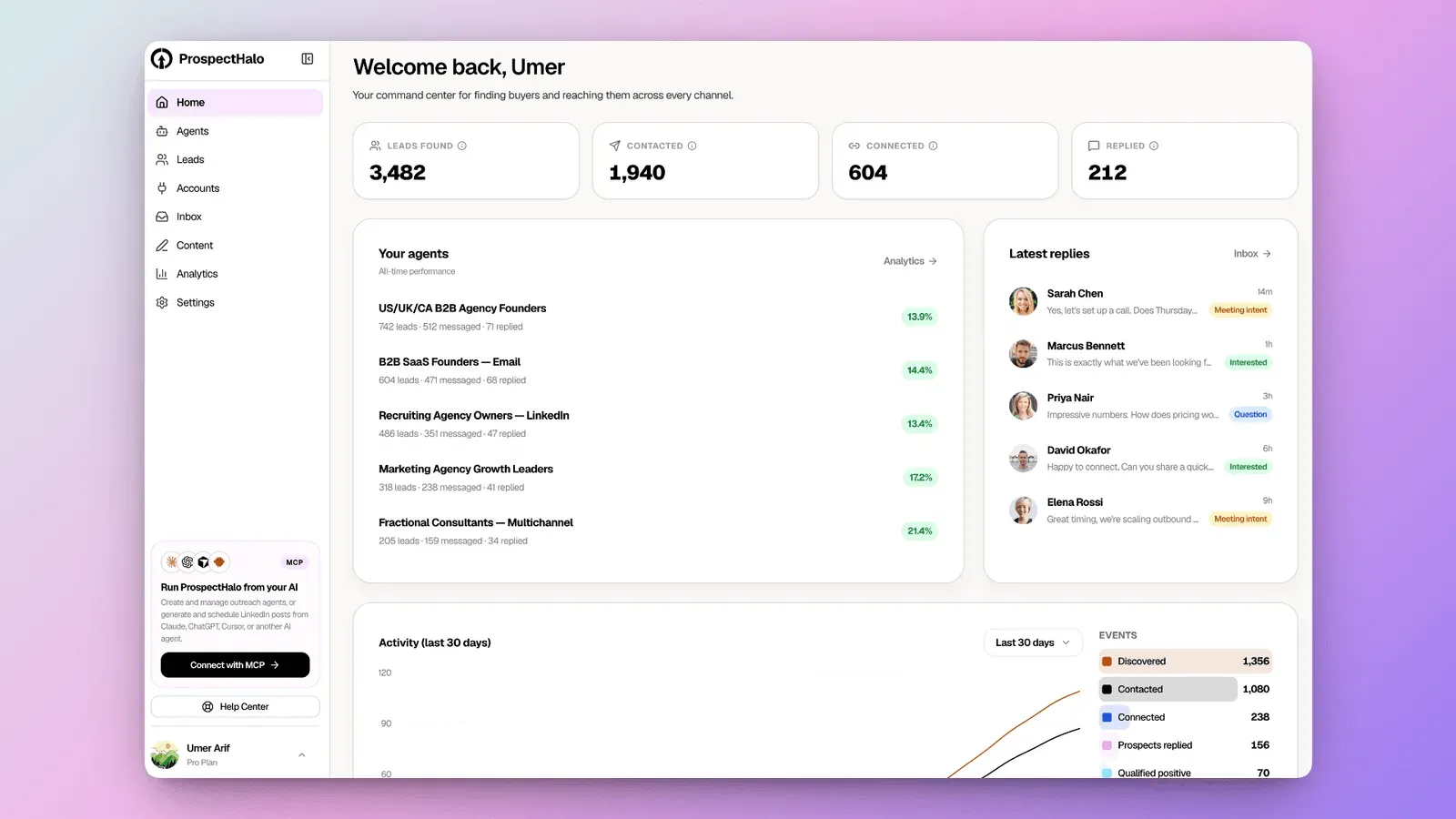
Users start by signing up on the OpenYC website and selecting a vertical or city focus. The onboarding wizard guides them through choosing a template — either an agent builder for a specific problem or an accelerator template for a local program. For agent building, users define the agent's purpose, configure its knowledge base by uploading documents or connecting to data sources, and set up actions using a drag-and-drop interface or code editor. The platform then trains or fine-tunes a base model on the provided data. Once the agent is ready, users can test it in a sandbox environment before deploying. Deployment involves selecting a hosting option (cloud or on-premises) and configuring monitoring dashboards. For accelerator templates, users customize application forms, mentor profiles, and event schedules. The platform handles participant management, communication, and progress tracking. Daily use involves monitoring agent performance through dashboards, reviewing logs, and iterating on the agent's behavior based on feedback. The community feature allows users to discover new templates and share improvements.
Use Cases
Local Startup Accelerator: A city economic development group uses OpenYC to launch a "Detroit Tech Accelerator" focused on automotive AI. They customize the YC-style template with local mentor profiles, investor connections, and a demo day event. The platform manages applications, tracks startup progress, and facilitates introductions. Outcome: 15 startups complete the program, with 3 securing funding from local VCs.
Healthcare Triage Agent: A telemedicine startup builds an AI agent that triages patient symptoms based on medical guidelines. Using OpenYC's vertical framework, they upload clinical data and configure the agent to ask relevant questions and recommend next steps. The agent integrates with their existing scheduling system via API. Outcome: Reduces nurse call volume by 40% and improves patient response time.
Logistics Optimization: A logistics company creates an agent that optimizes delivery routes in real-time. They connect the agent to their fleet management system and traffic data APIs. The agent learns from historical patterns and suggests rerouting during delays. Outcome: 12% reduction in fuel costs and 8% faster delivery times.
Customer Support for E-commerce: An online retailer builds a customer support agent that handles returns, order tracking, and product recommendations. Using OpenYC's agent builder, they train the agent on their FAQ and return policy. The agent integrates with their Shopify store via Zapier. Outcome: Handles 60% of inquiries without human intervention, with 90% customer satisfaction.
Educational Tutoring Agent: A nonprofit creates a math tutoring agent for underprivileged students. They use OpenYC to build an agent that adapts to each student's skill level, providing hints and practice problems. The agent is deployed on a simple web interface. Outcome: Students using the agent show a 25% improvement in test scores over a semester.
Pricing & Value
OpenYC offers a freemium model with a free tier that includes basic agent building, limited data storage, and community access. The Pro tier, at $49 per month, adds advanced features like custom integrations, priority support, and increased data limits. The Enterprise tier, priced at $199 per month, includes dedicated infrastructure, white-labeling, and API access for large-scale deployments. There is also a one-time setup fee for accelerator templates, starting at $999. Compared to building custom AI solutions in-house, OpenYC provides significant cost savings in development time and infrastructure management. The value proposition is strongest for small to medium teams that need to launch vertical AI quickly without a large engineering budget. However, the pricing may be steep for individual developers or very early-stage startups. The free tier is generous enough for prototyping, making it accessible for experimentation.
Final Verdict
OpenYC is a promising platform for entrepreneurs and organizations looking to build domain-specific AI applications or launch local accelerator programs. Its strength lies in the structured framework and pre-built templates that reduce the complexity of AI development. The community and marketplace add network effects that could increase the platform's value over time. Areas for improvement include more detailed documentation and tutorials, as the current website lacks depth in explaining technical capabilities. Additionally, the platform's reliance on third-party AI models may raise concerns about data privacy for sensitive verticals like healthcare. OpenYC is best suited for teams with some technical background who want to move fast in vertical AI. It may not be ideal for those seeking a fully no-code solution or for enterprises requiring extensive customization. Overall, OpenYC fills a niche in the AI tools landscape and is worth exploring for builders targeting specific industries or local ecosystems.
For more details, visit the OpenYC website or check out their community. You can also explore their templates.
Pros & Cons
The Good
- Provides pre-built templates for vertical AI agents and YC-style accelerators, reducing development time.
- Includes a visual agent builder that accommodates both technical and non-technical users.
- Offers a community marketplace for sharing and selling agent templates, fostering collaboration.
- Supports integration with popular tools like Slack and Zapier, enabling seamless workflow automation.
- Features a freemium pricing model with a generous free tier for prototyping and small projects.
The Bad
- The website lacks detailed documentation and tutorials, making it difficult to assess technical depth.
- Reliance on third-party AI models may raise data privacy concerns for sensitive industries like healthcare.
- Pricing for enterprise features and accelerator templates may be prohibitive for early-stage startups.