HavenBook
HavenBook helps homeowners stay organized with tasks, documents, and trusted contacts. Manage your home in one place and never miss maintenance again.

Overview
HavenBook is a home management platform designed to help homeowners organize tasks, documents, and trusted contacts in one centralized place. The core problem it solves is the chaos of home maintenance, where important tasks like filter changes, appliance servicing, and seasonal upkeep often slip through the cracks. Built for busy homeowners, property managers, and anyone juggling multiple properties, HavenBook aims to reduce stress and prevent costly repairs by ensuring nothing is forgotten. The platform falls under the broader category of home management and productivity software, competing with tools like Centriq and HomeZada.
Key Features
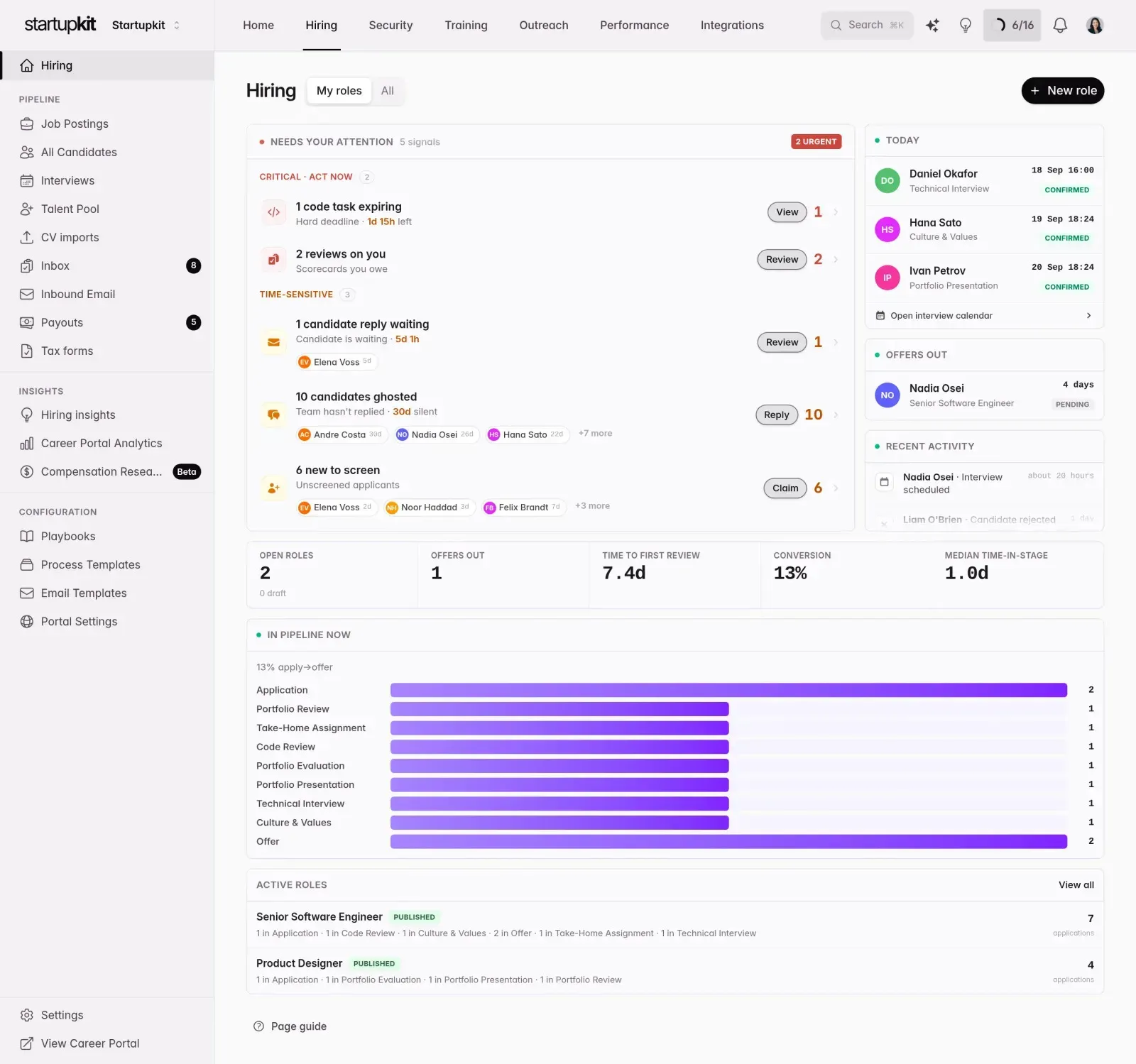
- Task Management and Reminders: HavenBook allows users to create recurring tasks for home maintenance, such as changing HVAC filters, cleaning gutters, or servicing appliances. Each task can be assigned a due date, priority, and notes. The system sends automated reminders via email or push notifications, ensuring users never miss a critical maintenance item. This feature is particularly useful for seasonal tasks like winterizing pipes or spring cleaning.
- Document Storage: Users can upload and organize important home documents, including warranties, manuals, inspection reports, and insurance policies. The platform supports common file formats and provides a searchable index. This eliminates the need for physical filing cabinets and ensures that critical documents are accessible from anywhere, which is invaluable during emergencies or when selling a home.
- Trusted Contacts Directory: HavenBook includes a directory for storing contact information of trusted service providers, such as plumbers, electricians, landscapers, and handymen. Users can add notes about each provider, including rates, availability, and past work quality. This feature streamlines the process of finding reliable help when issues arise.
- Home Profile and Inventory: Users can create a detailed profile of their home, including property details, square footage, year built, and major systems (HVAC, plumbing, electrical). An inventory feature allows tracking of appliances, furniture, and other assets with purchase dates, serial numbers, and warranty information. This is useful for insurance claims and resale value.
- Multi-Property Support: HavenBook supports managing multiple properties from a single account, making it suitable for landlords, real estate investors, or families with vacation homes. Each property has its own set of tasks, documents, and contacts, but users can view an aggregated dashboard for a high-level overview.
- Mobile Accessibility: While the platform is web-based, it is optimized for mobile browsers, allowing users to access their home data on the go. This is essential for checking task lists while at the hardware store or sharing documents with a contractor on-site.
How It Works
After signing up, users create a home profile by entering basic property details. They can then start adding tasks, either manually or by selecting from a library of common maintenance tasks. Each task can be set to recur daily, weekly, monthly, or annually. Documents are uploaded via drag-and-drop or file picker, and contacts are added with name, phone, email, and notes. The dashboard provides a calendar view of upcoming tasks and a list of recent activity. Users can mark tasks as complete, which logs the completion date and allows for notes. The system sends reminders based on user preferences, and overdue tasks are highlighted. For multi-property users, a property switcher allows quick navigation between homes.
Use Cases
- A busy family with a single-family home: The parents use HavenBook to track seasonal maintenance like gutter cleaning and furnace filter changes. They store appliance manuals and warranty info, so when the dishwasher breaks, they can quickly find the model number and contact a repair service from their trusted contacts list.
- A landlord managing multiple rental properties: The landlord creates a separate profile for each property, assigning tasks like smoke detector checks and lawn care. Tenants can be given limited access to submit maintenance requests, which appear as tasks. The landlord uses the document storage to keep lease agreements and inspection reports organized.
- A real estate agent preparing a home for sale: The agent uses HavenBook to compile all home improvement records, warranties, and service history. This documentation is shared with potential buyers to demonstrate that the home has been well-maintained, increasing its marketability.
- A new homeowner learning about home maintenance: After purchasing their first home, the owner uses HavenBook to set up a maintenance schedule based on the home's age and systems. The platform provides guidance on typical tasks and intervals, helping the owner build confidence in managing their property.
Who It's For
HavenBook is designed for homeowners, landlords, property managers, and real estate professionals who want to streamline home maintenance and organization. It is suitable for individuals with basic technical skills, as the interface is intuitive and does not require coding or design expertise. Compared to general task management apps like Todoist or Trello, HavenBook is purpose-built for home-specific workflows. It also competes with specialized home management software like Centriq and HomeZada, but differentiates itself with a focus on simplicity and a lower price point. The platform is ideal for users who own at least one property and want to avoid the stress of forgotten maintenance tasks.
Pros & Cons
The Good
- Centralized platform for tasks, documents, and contacts reduces home management chaos.
- Automated reminders for recurring maintenance tasks help prevent costly repairs.
- Multi-property support is valuable for landlords and real estate investors.
- Document storage with searchable index eliminates physical filing cabinets.
- Trusted contacts directory streamlines finding reliable service providers.
The Bad
- Limited information on pricing and subscription plans is available on the website.
- No native mobile app; relies on mobile browser optimization which may reduce usability.
- The platform appears to be relatively new with a small user base, which may affect community support and integrations.