Shipycorn
Shipycorn is a weekly launch site for indie hackers to submit startups, get upvotes, and gain visibility without VCs.
Overview
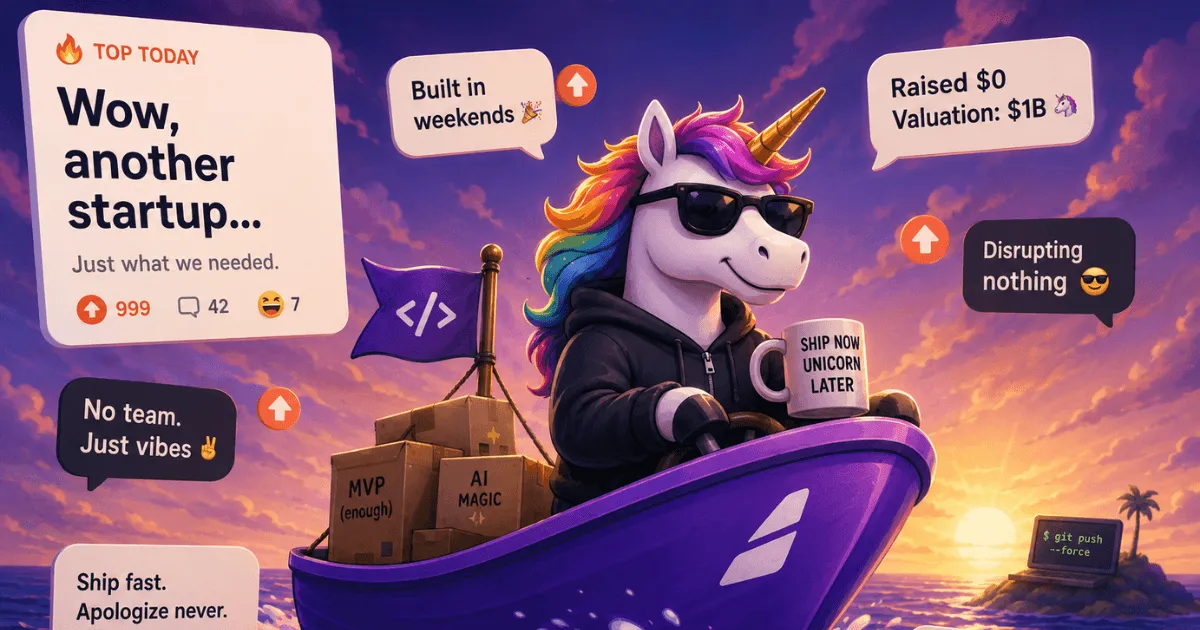
Shipycorn is a community-driven launch platform designed specifically for indie hackers and solo founders who want to showcase their projects without the noise of venture capital or growth hacking gurus. Launched as a weekend project by a bored developer, the site has grown into a weekly destination where builders post their creations, receive upvotes, and gain early traction. Unlike traditional product launch sites that cater to funded startups, Shipycorn focuses on the raw, unfiltered side of building: no pitch decks, no investor meetings, just shipping and seeing what happens. The platform operates on a weekly cycle, with a countdown timer to the next launch window, creating a sense of urgency and community anticipation. With a playful tone and a colorful unicorn mascot, Shipycorn positions itself as the anti-establishment alternative to more polished launch sites, appealing to developers who value authenticity over polish.
Key Features
Weekly Launch Cycles – Shipycorn operates on a recurring weekly schedule where new projects are featured and upvoted. The homepage displays a live countdown timer showing days, hours, minutes, and seconds until the next launch, creating a predictable rhythm for both submitters and voters. This structure ensures that every project gets a fair window of attention, rather than being buried by constant submissions.
Upvote-Based Discovery – The core mechanic is simple: users upvote projects they like, and the most upvoted launches gain visibility. There are no algorithms or paid promotions influencing the feed, making it a meritocratic system where quality and community appeal determine success. This approach mirrors the ethos of indie hacking: build something people want, and they will support it.
Time-Based Filters – Users can browse launches by time periods: This Week, Last Week, This Month, and This Year. This allows visitors to see trending projects in real time or catch up on past launches they might have missed. The filters provide flexibility for different browsing behaviors, whether someone wants the latest or wants to explore historical winners.
Newsletter Subscription – Shipycorn offers a weekly email newsletter called "The Monday drop" that delivers the best new startups directly to subscribers' inboxes every Monday. The signup form is prominently placed in the sidebar, and the copy emphasizes no spam with an unsubscribe option. This feature helps founders gain recurring exposure beyond the initial launch window.
Domain Rating Badge – The site integrates with FrogDR to display a domain rating badge for shipycorn.com, providing transparency about the site's own SEO authority. This is a subtle trust signal for submitters who care about backlink value and domain metrics when choosing where to launch.
Sidebar Navigation – The sidebar includes links to Winners, Categories, Blog, Affiliate Programs, Reviews, and a Random Startup button. These sections help users explore the platform beyond the main feed, discover niche categories, read reviews, or get inspired by random projects. The affiliate programs page is particularly useful for founders looking to monetize their audience.
Promoted Advertising – Shipycorn offers a paid promotion slot in the sidebar for startups that want guaranteed visibility. The ad space is labeled "Promoted" and includes a call to action to advertise. This provides a revenue stream for the platform while giving founders an option to boost their reach beyond organic upvotes.
How It Works
To get started, a founder navigates to the Submit Your Startup page and fills out a form with project details. The submission process is straightforward, requiring basic information like name, description, and category. Once submitted, the project enters the queue for the next weekly launch cycle. The platform does not require a pitch deck or business plan, aligning with its indie hacker ethos.
After submission, the project becomes visible to the community during the designated launch window. Users browse the feed, read descriptions, and upvote projects they find interesting. The upvote count determines ranking, and the most popular projects rise to the top. Founders can share their launch link on social media to drive additional votes.
For daily users, the site offers a search bar (activated by Cmd+K) to quickly find projects, categories, or blog posts. The sidebar provides quick access to winners, categories, and a random startup generator for serendipitous discovery. Users can also subscribe to the newsletter to receive curated picks every Monday without visiting the site.
Use Cases
Indie Hacker Launching a Side Project – A solo developer builds a small SaaS tool over a weekend and wants initial users. They submit to Shipycorn, get upvoted by the community, and receive 50 signups in the first week. The feedback from early adopters helps refine the product before a broader launch.
Founder Seeking Validation – A founder has an idea for a productivity app but is unsure if there is demand. They build a minimal viable product and launch on Shipycorn. The upvote count and comments provide real market validation, helping them decide whether to invest more time.
Early Adopter Discovering New Tools – A tech enthusiast visits Shipycorn weekly to find innovative tools before they become mainstream. They use the This Week filter to see the freshest launches and upvote ones they like, influencing which projects gain traction.
Content Creator Looking for Affiliate Programs – A blogger writing about SaaS tools uses the Affiliate Programs page to find partner opportunities. They discover several indie products with generous commissions and write reviews, earning passive income while supporting small builders.
Investor Scouting for Talent – An angel investor monitors Shipycorn to identify promising founders and products. The raw, unfiltered nature of the platform reveals builders who are genuinely passionate rather than those polished for fundraising.
Pricing & Value
Shipycorn is free to submit projects and upvote. The platform does not charge for basic access, making it accessible to any indie hacker with a project. The only monetization is through promoted advertising in the sidebar, which is optional. For founders who want guaranteed visibility, the promoted slot offers a cost-effective alternative to paid ads on larger platforms. The newsletter subscription is also free, providing ongoing exposure without recurring costs. Compared to other launch sites that charge hundreds of dollars for featured listings, Shipycorn's freemium model is a bargain for bootstrapped founders. However, the free tier means organic reach depends entirely on community engagement, which can be unpredictable.
Final Verdict
Shipycorn succeeds as a no-frills launch platform for indie hackers who value authenticity over polish. Its weekly cycle, upvote system, and playful branding create a welcoming space for builders to share their work without the pressure of VC expectations. The platform's main strength is its community-driven discovery, which rewards genuine effort over marketing savvy. Areas for improvement include adding more detailed analytics for submitters and expanding the category taxonomy to better organize projects. Shipycorn is best suited for solo founders and small teams launching early-stage products who want honest feedback and initial traction. For those tired of the hype-driven launch culture, Shipycorn offers a refreshing alternative.
Pros & Cons
The Good
- Weekly launch cycles with a live countdown timer create predictable visibility windows for submitted projects.
- Upvote-based discovery ensures meritocratic ranking without algorithmic bias or paid influence.
- Free submission and browsing make it accessible to bootstrapped indie hackers with no budget.
- Newsletter subscription offers recurring exposure beyond the initial launch window every Monday.
- Playful branding and anti-establishment tone differentiate it from polished, VC-focused launch sites.
The Bad
- Limited analytics or performance tracking for submitters to measure launch impact.
- Smaller community size compared to established platforms may result in fewer upvotes and less feedback.
- No built-in commenting or discussion system reduces opportunities for community interaction.